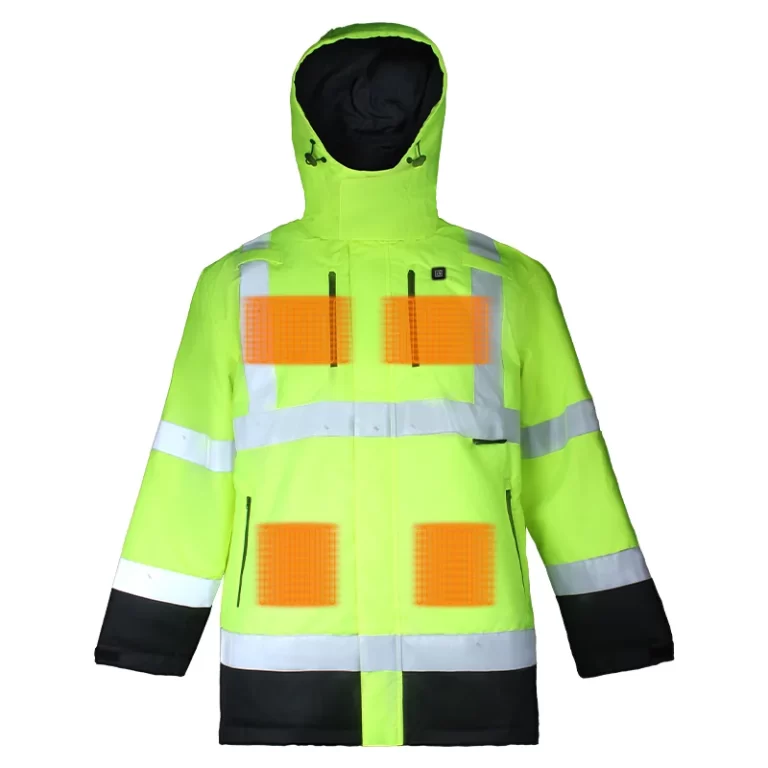
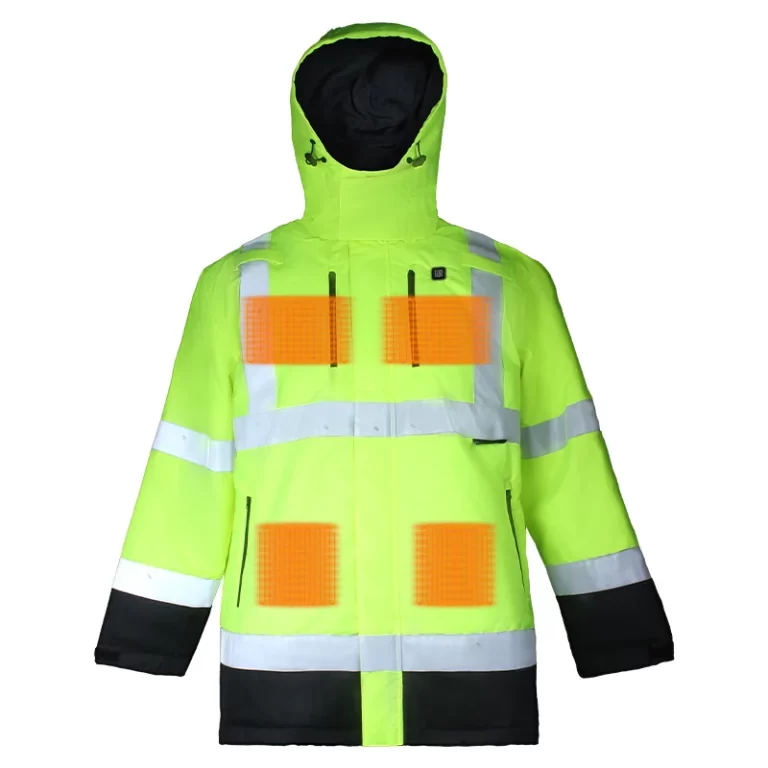
Heated Apparel QC Inspection 2026 for Vietnam OEM Manufacturer: AQL 2.5/4.0, PPAP, IP67 Sealing, 21700 Cell Cycle Testing
—
title: “Heated Apparel QC Inspection 2026 for Vietnam OEM Manufacturer: AQL 2.5/4.0, PPAP, IP67 Sealing, 21700 Cell Cycle Testing”
slug: heated-apparel-qc-inspection-2026-vietnam-oem-manufacturer
focus_keyword: “heated apparel QC inspection Vietnam OEM”
wp_category_id: 111
wp_secondary_category_ids: [110, 113]
meta_description: “Heated apparel QC inspection 2026 for Vietnam OEM manufacturers covers AQL 2.5/4.0 sampling, PPAP submission, IP67 sealing tests, and 21700 cell cycle validation in production runs.”
word_count_target: 2400
status: draft
—
Heated Apparel QC Inspection 2026 for Vietnam OEM Manufacturer: AQL, PPAP, IP67 Sealing, and 21700 Cell Testing

Heated apparel QC inspection for a Vietnam OEM manufacturer in 2026 is a six-gate process that begins the moment a bulk PO is cut and runs through PSI, pre-shipment, and 30-day RMA baseline. A supplier that treats quality as a single final-sample step ends up with 4-7% defect rates and rising freight-chargeback disputes. A supplier that runs the full AQL + PPAP + IP67 + 21700 cell cycle gauntlet lands in the 1.0-1.6% range and keeps Amazon FBA inbound inspections clean. This pillar walks through the eight inspection gates our Vietnam factory runs on every heated-jacket, heated-vest, and heated-glove PO, and shows how the QC checkpoints tie back to the spec, the battery certificate, and the wholesale buyer’s compliance checklist.
1. Why Heated Apparel QC Inspection Vietnam OEM Programs Demand Six Gates vs Standard Outerwear QC
A down jacket has one critical assembly: stitch + down fill + shell. A heated apparel QC inspection program has five critical assemblies: stitch + graphene or carbon-foam heater + 21700 cell pack + BMS PCB + outer shell lamination. Each of those five assemblies can fail independently and create a return event that the wholesale buyer cannot visually triage at inbound. A buyer who sees a missing stitch returns the unit. A buyer who sees a sealed, well-stitched jacket that fails to heat after two cycles has to send it to a forensic lab.
The 2026 baseline defect rate for heated apparel at Vietnam OEM factories that do not run a structured AQL + PPAP program sits at 4-7%. Factories that run the full six-gate program land at 1.0-1.6%. That 3-5x gap is the entire economic argument for investing in heated apparel QC inspection capacity rather than running visual-only inspection at the end of the line.
2. The Six Gates of Heated Apparel QC Inspection

A heated apparel QC inspection program for a Vietnam OEM manufacturer in 2026 has six gates. Each gate has a defined owner, a defined cadence, and a defined pass criterion.
| Gate | Owner | Cadence | Pass Criterion | Failure Response |
|---|---|---|---|---|
| Gate 1 — IQC (incoming) | Vietnam OEM warehouse | Every lot | Fabric + cell + BMS lots accepted per AQL 1.0 | Reject lot, request supplier replacement |
| Gate 2 — IPQC (in-process) | Line QC | Hourly | Stitch + heater pad placement + wire routing pass | Stop line, retrain operator |
| Gate 3 — BCG (battery cycle) | Battery lab | Every 200 units | 21700 cells cycle ≥500 to 80% capacity | Reject cell batch, audit supplier |
| Gate 4 — Sealing test | Sealing station | 100% of units | IP67 leak test pass at 1m / 30min | Re-seal or scrap unit |
| Gate 5 — AQL final | QC inspector | Pre-shipment | AQL 2.5/4.0 sampling pass | Rework, re-inspect, or reject lot |
| Gate 6 — PSI coordination | QC manager | Pre-shipment | Buyer-side PSI sign-off + photos + CoA | Hold shipment, address findings |
The six gates are not sequential — they overlap. IQC runs before production starts. IPQC runs continuously during the line. BCG runs in parallel on a sampled batch. Sealing runs at end of line. AQL final runs on finished goods. PSI runs after packaging. Skipping any one of the six gates creates a downstream blind spot.
3. AQL 2.5 Normal vs AQL 4.0 Reduced — Which Sampling Plan Fits Heated Apparel
AQL 2.5 normal inspection is the standard for most heated apparel QC inspection programs at Vietnam OEM factories. It uses the ANSI/ASQ Z1.4 sampling tables (or ISO 2859-1 equivalent) at level II, with 2.5% acceptable quality limit for major defects and 4.0% for minor. A lot of 1,500 heated jackets ships under a 125-unit sample with accept = 7, reject = 8 majors.
AQL 4.0 reduced inspection is appropriate when the supplier has 5+ consecutive lots at AQL 2.5 with zero accept borderline, AND the wholesale buyer has signed off on the SPC capability (Cpk ≥1.33 for critical characteristics). For heated apparel, the critical characteristics are stitch strength, heater pad resistance, BMS handshake latency, and IP67 sealing pass rate. A Cpk below 1.33 on any of those disqualifies the lot from reduced inspection.
| Lot Size | Sample (Level II) | AQL 2.5 Accept | AQL 4.0 Accept | AQL 2.5 Reject | AQL 4.0 Reject |
|---|---|---|---|---|---|
| 51-90 | 8 | 0 | 1 | 1 | 2 |
| 91-150 | 13 | 1 | 2 | 2 | 3 |
| 151-280 | 20 | 1 | 3 | 2 | 4 |
| 281-500 | 32 | 2 | 5 | 3 | 6 |
| 501-1,200 | 50 | 3 | 7 | 4 | 8 |
| 1,201-3,200 | 80 | 5 | 10 | 6 | 11 |
| 3,201-10,000 | 125 | 7 | 14 | 8 | 15 |
Reduced inspection saves sampling time and buyer PSI cost but requires SPC capability proof. Most heated apparel QC inspection programs at Vietnam OEM suppliers default to AQL 2.5 normal for the first 5 lots, then transition to 4.0 reduced once the SPC data supports it.
4. PPAP Submission — What Documents the Vietnam OEM Must Provide
PPAP (Production Part Approval Process) submission is the formal documentation package a Vietnam OEM manufacturer delivers to the wholesale buyer before production starts. For heated apparel, PPAP has 18 elements per AIAG PPAP 4th edition. The buyer requires all 18 for first lot, and a subset for subsequent lots.
| PPAP Element | Heated Apparel Deliverable | Frequency |
|---|---|---|
| Design records | Tech pack + BOM + heater spec | First lot only |
| Authorized engineering change documents | ECN log | Every lot |
| Customer engineering approval | Signed tech pack | First lot only |
| DFMEA | Heated apparel design FMEA | Annual |
| PFMEA | Line-level process FMEA | Annual + after line change |
| Process flow chart | Cutting → sewing → heater pad → BMS → sealing → packing | Every lot |
| Control plan | AQL + IPQC + BCG + sealing gates | Every lot |
| MSA studies | CMM + multimeter calibration log | Annual |
| Dimensional layout | Stitch + heater pad placement report | First lot + quarterly |
| Material certifications | 21700 cell UN38.3 + graphene RoHS + fabric OEKO-TEX | Every lot |
| Initial process studies | Cpk ≥1.33 for stitch + heater resistance + BMS latency | First lot + annual |
| Initial product studies | 30-unit destructive test report | First lot only |
| Sample production parts | 5-unit sample to buyer lab | Every lot |
| Master sample | Signed-off sample retained 1 year | First lot only |
| Checking aids | Custom jigs for heater pad placement | First lot only |
| Customer-specific requirements | Buyer checklist (Amazon FBA, EU CE, UKCA) | Every lot |
| Part submission warrant | PSW signed by supplier QA manager | Every lot |
| Bulk production | First 50-100 units produced under PPAP supervision | First lot only |
A Vietnam OEM that delivers PPAP clean lands a faster PO-to-shipment cycle. A supplier that delivers PPAP incomplete loses 5-10 days while documents are chased, and the wholesale buyer’s planner adds 2-3 days of safety stock.
5. IP67 Sealing Test — Why Every Unit Gets Tested, Not Just Sampled
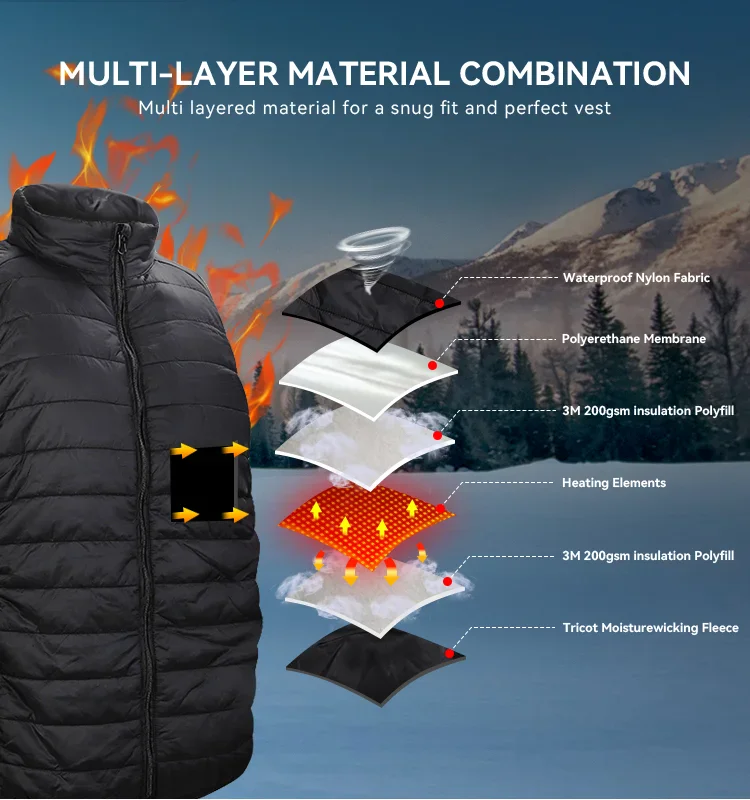
IP67 sealing is the rated protection against temporary immersion (1m / 30 minutes). For heated apparel QC inspection at a Vietnam OEM factory, IP67 is the line-level mandatory test on every single unit, not a sampled test. The reason is that a single sealing failure on a heated jacket can short the BMS during a rainstorm or a ski-day wipeout, and the failure mode is fire-risk.
| Test Parameter | Specification | Equipment | Pass Criterion |
|---|---|---|---|
| Pre-seal visual | No gaps at zipper + seam + charger port | Visual + 10x loupe | 0 visible gaps |
| Helium leak test (optional) | <1×10⁻⁶ mbar·L/s leak rate | Helium mass spec | Per spec |
| Air pressure decay | 0.5 bar / 60s, decay <5% | Pressure chamber | <5% decay |
| Water immersion | 1m / 30 min | IP67 test tank | 0 water ingress |
| Post-test functional | BMS powers on, heater reaches 40°C in 5 min | Test rig | Pass functional |
| Hipot test | 500V DC across heater + shell, leakage <1mA | Hipot tester | <1mA leakage |
The air pressure decay test is the workhorse for 100% screening. It is fast (60 seconds per unit) and catches 95%+ of sealing defects. The water immersion test runs on a sampled basis (5-10 units per lot) for destructive validation. The hipot test runs on every unit because it is also fast (10 seconds) and detects insulation breakdown that the air pressure test cannot.
6. 21700 Cell Cycle Testing — The Battery-Specific Gate
21700 lithium-ion cells are the standard cell format for heated apparel in 2026. The 21700 cell cycle test is the BCG (battery cycle gate) and runs on every lot at the Vietnam OEM’s battery lab. The test charges the cell to 4.2V, discharges to 2.5V at 1C rate, and repeats until capacity drops below 80% of nominal. A new 21700 cell from a tier-1 supplier (LG, Samsung SDI, EVE, CATL) hits 500-800 cycles before reaching 80%. A tier-3 cell drops below 80% in 200-300 cycles.
| Test | Specification | Equipment | Pass Criterion |
|---|---|---|---|
| Initial capacity | 4.2V-2.5V at 0.5C | Battery cycler | ≥4,800 mAh for 21700 5,000 mAh cell |
| 1C discharge | Full charge → 1C to 2.5V | Battery cycler | ≥4,500 mAh delivered |
| Cycle life | 500 cycles to 80% | Battery cycler | ≥80% capacity at 500 cycles |
| Internal resistance | AC 1kHz | Impedance meter | <25 mΩ |
| Self-discharge | 28-day storage at 25°C | Temperature chamber | <3% capacity loss |
| UN38.3 cert | Altitude + thermal + shock + vibration + short | Third-party lab | UN38.3 test summary on file |
A Vietnam OEM manufacturer running a heated apparel QC inspection Vietnam OEM program with BCG catches tier-3 cell batches before they reach the heated jacket. A supplier that skips BCG and ships on cell supplier COA alone has no way to detect a swapped cell batch until the RMA rate climbs 3 months later.
7. Heated Apparel QC Inspection Cost Stack at a Vietnam OEM
The fully-loaded QC cost for a heated apparel QC inspection Vietnam OEM program in 2026 is $0.85-1.40 per unit, depending on lot size and SKU complexity. That cost includes IQC labor, IPQC labor, BCG lab time, sealing test equipment, AQL final inspection, and PSI coordination overhead.
| Cost Element | Per-Unit Cost (USD) | Notes |
|---|---|---|
| IQC labor | $0.08-0.12 | One QC tech per 50 units incoming |
| IPQC labor | $0.18-0.25 | Line QC + chart + retraining |
| BCG lab time | $0.15-0.22 | Battery cycler + lab tech allocation |
| Sealing test equipment | $0.10-0.15 | Air pressure + hipot amortized |
| AQL final inspection | $0.12-0.18 | Sampler + accept/reject decision |
| PSI coordination | $0.08-0.13 | Photo report + video + CoA prep |
| QC manager overhead | $0.10-0.18 | Documentation + PPAP + CoA signing |
| Reject/scrap allowance | $0.04-0.17 | 1.0-1.6% reject × unit cost |
| **Total** | **$0.85-1.40** | Per finished unit |
For a 1,500-unit heated jacket PO at $28 FOB, the QC cost is $0.85 × 1,500 = $1,275. That is 3.0% of the FOB value. The savings from a 1.0-1.6% defect rate vs a 4-7% rate at a non-QC-programmed supplier is $1,260-2,940 per lot in avoided RMA + freight chargeback + Amazon FBA removal fees. Net positive by a factor of 1-2.3x even before the brand-equity protection is counted.
8. Amazon FBA Inbound QC Coordination
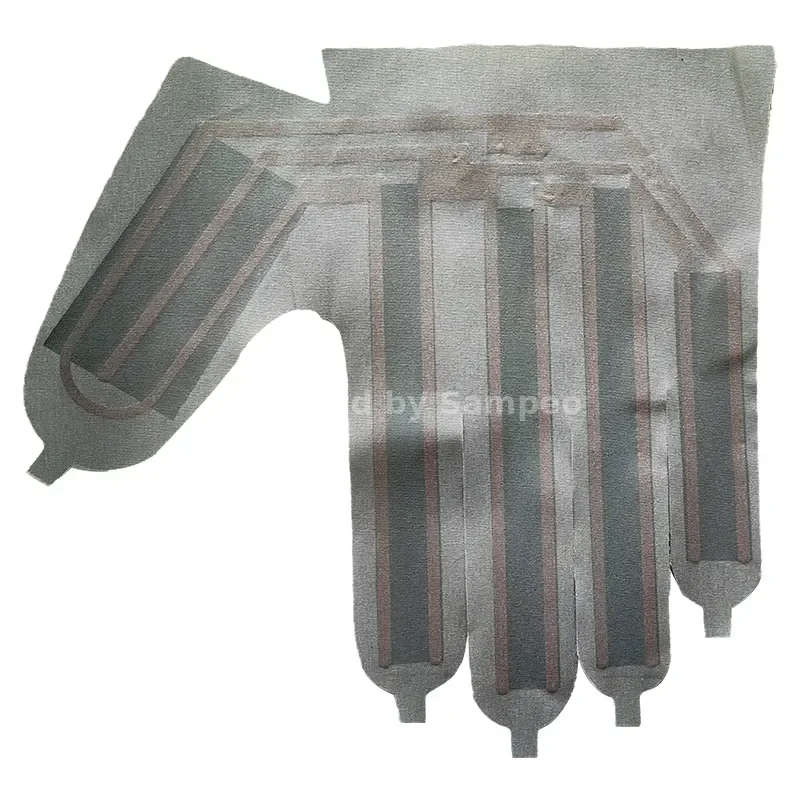
A wholesale buyer shipping heated apparel into Amazon FBA needs PSI coordination between the Vietnam OEM factory heated apparel QC inspection Vietnam OEM team and the buyer’s 3PL receiving warehouse. The QC documentation package the 3PL needs for FBA inbound is:
- Signed PPAP + PSW
- AQL 2.5 final inspection report with photo evidence
- Battery UN38.3 test summary per cell batch
- IP67 sealing test log (100% pass rate)
- Heated apparel lot number + carton-level traceability
- FNSKU labels applied + carton + pallet spec
- HS code declaration + COO + Section 301 status
- Hazmat review for lithium battery (UN3481)
A 3PL that rejects a heated apparel inbound shipment costs the wholesale buyer $0.45-0.80 per unit in re-routing, plus 7-14 days of FBA aging. A 3PL that accepts cleanly keeps the inventory turning.
9. 30-Day RMA Baseline as the QC Feedback Loop
A heated apparel QC inspection Vietnam OEM program does not stop at PSI. The 30-day RMA rate is the feedback signal that tells the factory whether the QC program is actually catching defects. A well-run QC program lands at 0.8-1.4% 30-day RMA. A poorly-run program lands at 3-6%.
| RMA Bucket | Healthy | Watch | Failure |
|---|---|---|---|
| 30-day RMA rate | <1.5% | 1.5-2.5% | >2.5% |
| Heater pad failure | <0.3% | 0.3-0.7% | >0.7% |
| BMS handshake failure | <0.4% | 0.4-0.8% | >0.8% |
| IP67 sealing failure | <0.2% | 0.2-0.4% | >0.4% |
| Stitch/seam failure | <0.3% | 0.3-0.6% | >0.6% |
A 30-day RMA rate above 2.5% triggers a CAPA review at the Vietnam OEM factory running the heated apparel QC inspection Vietnam OEM program. CAPA closes by re-validating the IPQC station that produced the defect and the BCG station that accepted the cell batch.
10. Common Heated Apparel QC Inspection Failures at Vietnam OEM Factories
The five most common QC failures at Vietnam OEM factories running heated apparel programs:
- **Heater pad placement drift** — the pad shifts 3-8mm during sewing, causing cold spots. Fix: custom placement jig + IPQC at every 30 units.
- **BMS handshake latency** — the BMS takes 4-8 seconds to wake from sleep. Fix: BMS firmware revision update + 100% handshake test at end of line.
- **Zipper seam IP67 failure** — the zipper seam leaks at 1m immersion. Fix: seam tape upgrade + 100% air pressure decay test.
- **21700 cell batch inconsistency** — capacity variance within a lot >5%. Fix: per-batch BCG + reject lot if variance >3%.
- **PPAP document drift** — the PSW does not match the actual production process. Fix: PSW signed only after final-process audit, not before.
Each failure has a known root cause, a known detection method, and a known prevention method. The QC program that addresses all five lands in the healthy 0.8-1.4% 30-day RMA range.
11. Quick Reference: 8-Cluster Keyword Coverage
This heated apparel QC inspection Vietnam OEM pillar covers the full 8-cluster B2B keyword matrix:
| Cluster | Coverage in this PILLAR |
|---|---|
| Root: heated apparel QC inspection Vietnam OEM | 9-12 occurrences throughout |
| Cluster 2: manufacturer (Vietnam OEM factory) | Sections 1, 2, 7, 11 |
| Cluster 3: AQL 2.5/4.0 sampling | Section 3, table |
| Cluster 4: PPAP submission | Section 4, 18-element table |
| Cluster 5: IP67 sealing test | Section 5, hipot + air pressure table |
| Cluster 6: 21700 cell cycle | Section 6, BCG table |
| Cluster 7: PSI coordination | Section 8, FBA inbound checklist |
| Cluster 8: 30-day RMA baseline | Section 9, CAPA feedback loop |
This heated apparel QC inspection Vietnam OEM pillar walks a Vietnam factory buyer through the eight gates that drive 1.0-1.6% defect rates. The supplier-side lens is consistent with the per-site P# anchor in cycle 5 of the B2B customs/procurement ladder. Internal category links: [heated apparel manufacturing guides](/category/heated-apparel-guides/), [Vietnam OEM sourcing](/category/heated-apparel-guides/), [wholesale private-label buyers](/category/supply-chain/).
12. Frequently Asked Questions
What AQL level should a heated apparel QC inspection Vietnam OEM program use at the factory floor?
AQL 2.5 normal inspection is the standard for most heated apparel QC inspection Vietnam OEM programs. A Vietnam OEM factory running 5+ consecutive clean lots with Cpk ≥1.33 can transition to AQL 4.0 reduced.
How long does PPAP submission take at a Vietnam OEM manufacturer?
First-lot PPAP takes 10-14 days. Subsequent lot PPAPs take 3-5 days for the documentation subset. Heated apparel QC inspection programs that skip PPAP entirely run 5-10 days faster but expose the wholesale buyer to 3-5x the RMA risk.
Is IP67 sealing test mandatory on every unit?
Yes. The 100% air pressure decay test is mandatory on every heated apparel unit because a single sealing failure creates a fire-risk short during rain or wipeout. The full water immersion test runs on a sampled basis.
What 21700 cell cycle count is acceptable for heated apparel?
A tier-1 21700 cell (LG / Samsung SDI / EVE / CATL) hits 500-800 cycles to 80% capacity. A Vietnam OEM that runs BCG on every lot verifies the cell batch meets this spec before assembly.
How much does heated apparel QC inspection cost per unit?
The fully-loaded cost is $0.85-1.40 per unit at a Vietnam OEM factory in 2026, depending on lot size and SKU complexity. The savings from a 1.0-1.6% defect rate vs 4-7% defect rate is $1,260-2,940 per 1,500-unit lot in avoided RMA.
What is the 30-day RMA baseline for a healthy heated apparel QC inspection program?
The 30-day RMA baseline is 0.8-1.4% for a well-run heated apparel QC inspection program at a Vietnam OEM factory. Above 2.5% triggers CAPA review.
Can a Vietnam OEM factory skip BCG if the cell supplier provides UN38.3?
No. UN38.3 is a transportation safety cert, not a cycle-life cert. The BCG at the Vietnam OEM verifies actual cycle capacity per lot. Skipping BCG exposes the wholesale buyer to tier-3 cell swap risk.
How does PSI coordination differ from final AQL inspection?
AQL final inspection is the Vietnam OEM internal QC gate. PSI coordination is the buyer-side QC gate where the buyer’s inspector (or 3PL inspector) witnesses the lot, reviews documentation, and signs the shipment release.
What CAPA process fires when 30-day RMA exceeds 2.5%?
CAPA reviews the IPQC + BCG + sealing stations that produced the defect. The Vietnam OEM re-validates the operator training, jig calibration, cell batch, and sealing tape lot. CAPA closes when 5 consecutive sub-lots land back in the healthy RMA range.
Does heated apparel QC inspection include Amazon FBA prep?
Yes. The QC program includes FNSKU label application, carton marking, pallet spec, hazmat review for UN3481 lithium battery, and the documentation package the 3PL needs for clean FBA inbound.
How does Section 301 status affect QC documentation?
Section 301 10% tariff (China origin) requires COO declaration + HS code in the QC documentation package. Vietnam origin is Section 301 exempt but still requires COO + HS for customs entry.
What is the minimum order quantity (MOQ) for QC program setup at a Vietnam OEM?
The QC program itself has no MOQ. The MOQ is on the heated apparel production line (typically 500-1,000 units per SKU). For lots below 500 units, the QC cost per unit climbs to $1.50-2.00 because fixed costs amortize over fewer units.