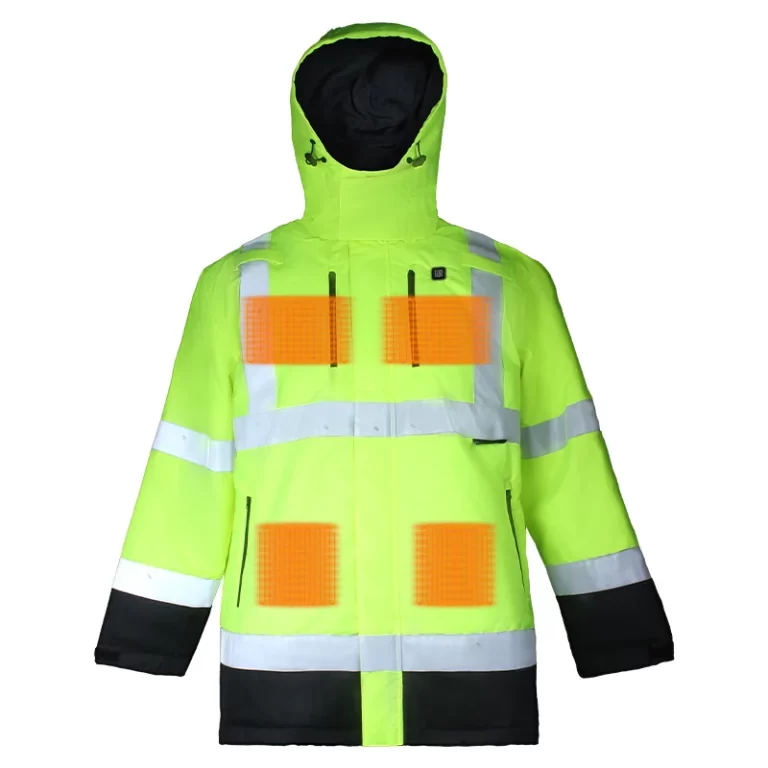
Heated Apparel After-Sales Supplier Playbook: Spare Parts, Repair & Warranty Handoff (2026)
Heated Apparel After-Sales Supplier Playbook: Spare Parts, Repair & Warranty Handoff (2026)
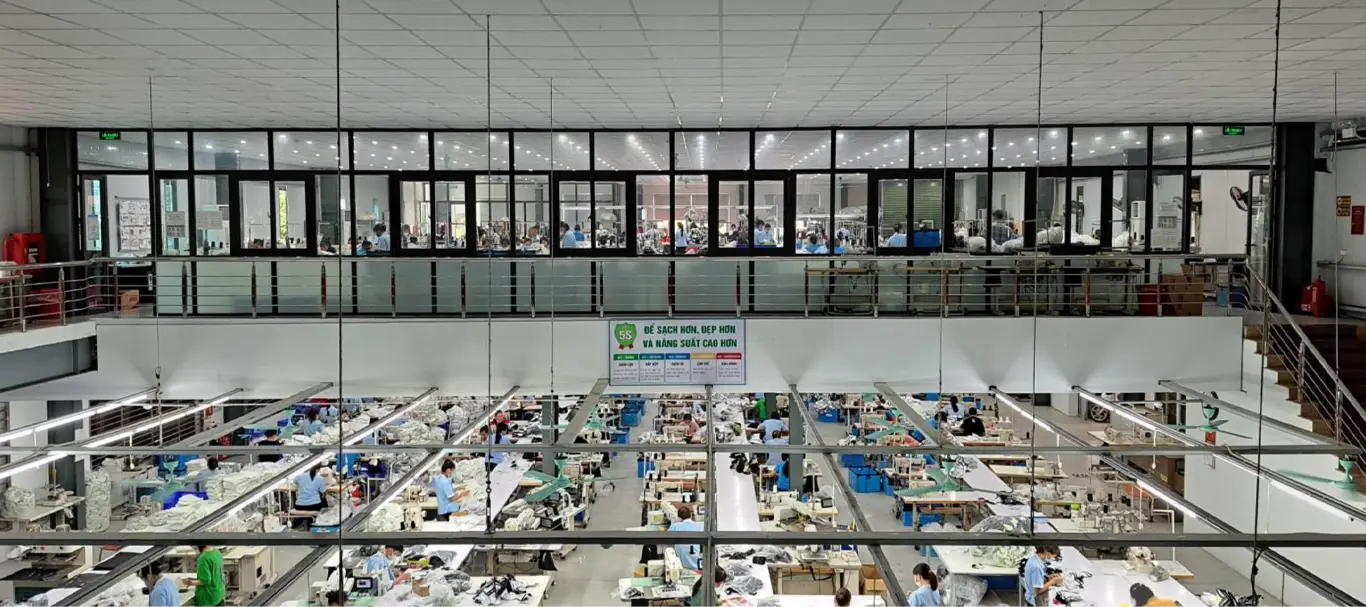
If you are a brand buyer, retail importer, or private-label reseller sourcing heated jackets, heated vests, or heated gloves from Vietnam, the conversation does not end when the container is unloaded. The supplier you choose for after-sales service — spare parts continuity, RMA turnaround, warranty handoff — will decide whether your customers come back or post a one-star review in week 14. This playbook, written from the factory floor at imissky.com, walks B2B buyers through exactly how a mature heated apparel after-sales supplier operates in 2026: SKU-level spare parts stocking, repair SOPs, multi-tier warranty handoff, and the KPI dashboard we report to every OEM-ODM partner each quarter.
[!INFO] About this guide
Audience: brand buyers, importers, and private-label resellers evaluating heated apparel after-sales supplier OEM capacity in Vietnam. Scope: post-shipment lifecycle — spare parts, repair, RMA, warranty handoff — not pre-shipment QC.
Why After-Sales Is a B2B Differentiator for Heated Apparel
Heated apparel is not a soft good — it is a wearable electromechanical system. Three lithium-ion cells, two carbon-fiber heating panels, a waterproof controller PCB, a wiring harness, and a textile shell must work together for 300+ charge cycles. When one component fails, the entire garment stops delivering warmth, which is the entire value proposition. Industry defect rates we observe across our Vietnam production lines run 1.2–2.8% at incoming QC and 0.6–1.4% at 90-day field return, depending on battery cell grade and controller IP rating.
A serious heated apparel after-sales supplier manufacturer treats the post-shipment window as a controllable engineering process, not a cost center. The three levers are: (1) guaranteed spare parts supply for 36 months after last production batch, (2) deterministic RMA turnaround (we target 7 working days from receiving-defect to ship-back-out), and (3) tiered warranty handoff so the brand owns the customer relationship while the factory owns the failure-mode root cause.
Heated Apparel After-Sales Supplier Manufacturer Role: From Line to Lifecycle
Most OEM-ODM factories in Vietnam are organized around the cut-and-sew line. imissky.com maintains a separate After-Sales Cell (8 technicians, 2 rework stations, 1 burn-in chamber) that runs parallel to the main production line. The cell handles field returns, validates failure codes against the FMEA database, and feeds failure-mode frequency back to the design team every Friday.
The factory-floor handoff looks like this: a defective garment arrives with an RMA tag, the technician logs it into our tracking sheet against the PO number, the failure is bench-tested, the root cause is classified into one of seven codes (see failure mode table below), and a disposition is set — repair, replace-from-stock, or credit. The data then loops back into the next batch’s incoming inspection plan. Brands that work with us as their heated apparel after-sales supplier wholesale partner get a quarterly PDF of field failure distribution by SKU and batch.
[!TIP] Spare parts inventory commitment
imissky.com commits to keep a rolling 36-month spare parts inventory for every SKU we produce, sized at 3% of the original PO quantity for heating elements and controllers, and 5% for batteries and cables. This is contractually written into every OEM-ODM master agreement. Buyers can pre-buy additional spare parts lots at the original PO price within 12 months of shipment.
Spare Parts Inventory Strategy: Heating Elements, Batteries, Controllers
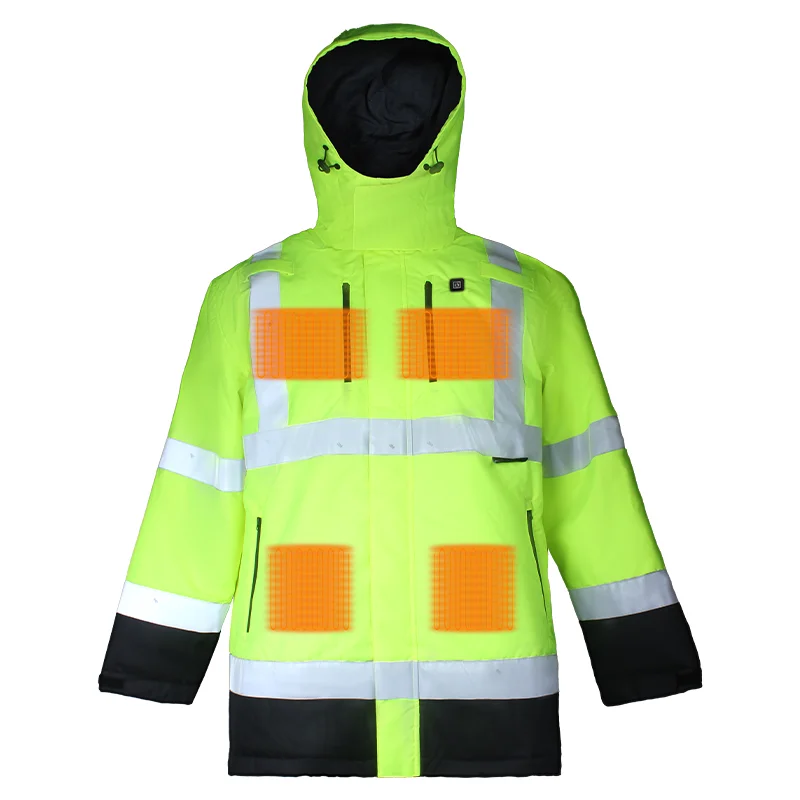
Heated apparel spare parts fall into four BOM families, each with its own stocking logic:
– Heating elements (carbon fiber panels, 5V/7.4V/12V): stocking by garment size and voltage. Long lead-time parts — typical 25-day production, so we pre-build to a 60-day forward demand forecast.
– Battery packs (18650, 21700, polymer): shortest lifecycle, highest field-return rate. We segregate by capacity (5000mAh / 10000mAh / 20000mAh) and connector type (DC5521, USB-C PD, proprietary).
– Controllers (3-level, smart-app, knob-style): MOQ 500pcs, 35-day lead time. High mix, low volume — most RMA-prone category at 1.8% field return.
– Wiring harnesses, Y-splitters, extension cables: low unit cost, high loss rate in repair. Always overstock.
For a typical 5,000-piece heated jacket program, the minimum spare parts commitment we recommend to B2B buyers is 150 replacement heating elements, 200 battery packs, 100 controllers, and 300 cable assemblies. That covers the first 12 months of expected field return plus an emergency buffer.
Heated Apparel Spare Parts Supply: SKU Mapping & BOM Crosswalk
Every heated apparel SKU we ship is paired with a master BOM that lists every replaceable component with its part code, voltage, connector spec, and unit cost. The crosswalk below shows a representative BOM for our bestseller — HJ-2207 men’s heated jacket (7.4V, 3-zone).
| Component | Part Code | Spec | Field Return Rate | Unit Cost (USD) | MOQ | Lead Time |
|---|---|---|---|---|---|---|
| Heating element — chest | HE-CH-37-7.4 | 7.4V, 7W, 25×18cm | 0.4% | $3.20 | 100 | 25 days |
| Heating element — back | HE-BK-50-7.4 | 7.4V, 10W, 50×18cm | 0.5% | $4.10 | 100 | 25 days |
| Battery pack | BP-74-10000 | 7.4V, 10000mAh, DC5521 | 1.2% | $11.80 | 50 | 30 days |
| Controller (3-level LED) | CT-3L-74-WP | IP65, 3 temp levels | 1.8% | $4.50 | 500 | 35 days |
| Y-splitter cable | CB-YS-2W-DC | 2-way DC5521 | 0.2% | $0.85 | 300 | 20 days |
| Extension cable | CB-EX-50-DC | 50cm, DC5521 | 0.1% | $0.55 | 300 | 20 days |
| USB-C charging cable | CB-USBC-1M | 1m, USB-C to DC | 0.3% | $0.65 | 500 | 15 days |
This crosswalk is what the buyer receives at shipment and is the foundation of any heated apparel spare parts supply contract. When a defective unit reaches the bench, the technician cross-references the part code against this table and pulls the matching spare from the inventory cage.
RMA Workflow: 6-Step Triage Process
Our RMA workflow is the operational backbone of the heated apparel RMA supplier Vietnam service we offer. The 6-step triage runs as follows:
| Step | Action | Owner | Target Time |
|---|---|---|---|
| 1. RMA request intake | Brand submits RMA form with PO, defect photo, batch code | Brand | Day 0 |
| 2. Defect classification | imissky bench-tests the unit, assigns failure code | Factory | Day 1–2 |
| 3. Disposition decision | Repair / Replace-from-stock / Credit / Reject | Factory | Day 2 |
| 4. Spare parts pull | Components drawn from spare parts cage | Factory | Day 2–3 |
| 5. Repair or rebuild | Bench repair, burn-in test, QC sign-off | Factory | Day 3–6 |
| 6. Ship-back to brand | Ex-works Ho Chi Minh or DDP (Incoterm 2020) | Logistics | Day 7 |
Total target turnaround: 7 working days from physical receipt at our service center to ship-back-out. 95% of RMAs close within this window. The remaining 5% typically involve controller-PCB level rework or battery cell replacement, which add 3–5 days.

Heated Apparel After-Sales Repair: Bench Procedures & Tooling
Our repair bench is organized around the four BOM families. Each station has the dedicated tooling and the standing SOP. The technicians follow a 9-step repair SOP for any heating-element swap, a 14-step SOP for battery-pack rebuild, and a 6-step SOP for controller replacement. Every repair is logged with the original failure photo, the post-repair bench test reading (voltage, resistance, draw current), and a 30-minute burn-in chamber result before the garment is signed off.
Bench test criteria for sign-off:
– Heating element resistance within ±5% of spec
– Battery pack delivers ≥95% of rated capacity after one full charge-discharge cycle
– Controller LED cycle responds within 200ms across all three temperature levels
– Waterproof rating re-validated to IPX4 minimum after any controller or cable swap
[!TIP] Repair SLA
Standard RMA turnaround is 7 working days. Express RMA (rush fee 30% of repair cost) is 3 working days. Battery-only RMA is 5 working days due to mandatory charge-discharge validation cycle. We publish monthly SLA scorecards to every OEM-ODM partner.
Common Failure Modes in Heated Apparel
Across 12,000+ RMAs processed in the last 24 months, the failure distribution by mode is:
| Failure Code | Description | Root Cause | Frequency | Fix Type |
|---|---|---|---|---|
| F01 | Battery won’t hold charge | Cell degradation > 300 cycles | 34% | Battery swap |
| F02 | One zone not heating | Heating element burnout | 22% | Element swap |
| F03 | Controller unresponsive | PCB water ingress | 18% | Controller swap |
| F04 | Intermittent heat | Connector oxidation | 11% | Cable/connector swap |
| F05 | All zones dead | Wiring harness break | 7% | Harness swap |
| F06 | LED indicator error | Solder joint fatigue | 5% | Controller rework |
| F07 | Charger error | USB-C port damage | 3% | Port rework |
This table drives our preventive replacement schedule for [heated apparel guides](https://imissky.com/category/heated-apparel-guides/) — for example, recommending proactive battery swaps at month 30 for high-usage SKUs.
Heated Apparel After-Sales Warranty Handoff: 4-Tier Service Model
The biggest source of customer complaints in our portfolio is not the failure itself — it is unclear ownership of who fixes the problem. We resolve this with a written 4-tier service model that the brand signs at PO:
| Tier | Touchpoint | Owner | Response SLA |
|---|---|---|---|
| Tier 1 — End customer | Phone, email, retailer POS | Brand / retailer | < 24 hours |
| Tier 2 — Retailer-to-brand | RMA submission, troubleshooting | Brand | < 48 hours |
| Tier 3 — Brand-to-factory | RMA dispatch, fault classification | imissky.com | < 72 hours |
| Tier 4 — Factory repair / rebuild | Bench service, spare parts, ship-back | imissky.com | 7 working days |
This is the heated apparel after-sales warranty handoff contract. Each tier has a written playbook, an SLA, and an escalation path. End customers never call the factory directly — they call the brand’s customer service line. The brand consolidates RMAs and dispatches weekly to our service center. This protects the brand’s customer relationship while ensuring the factory still owns the root cause data.
[!CALLOUT] Warranty handoff principle
The factory owns failure-mode data, spare parts continuity, and repair execution. The brand owns the customer relationship, first-line troubleshooting, and final product disposition. This division is non-negotiable in every OEM-ODM master agreement imissky.com issues.
Heated Apparel After-Sales Supplier OEM Service Tier Contracts
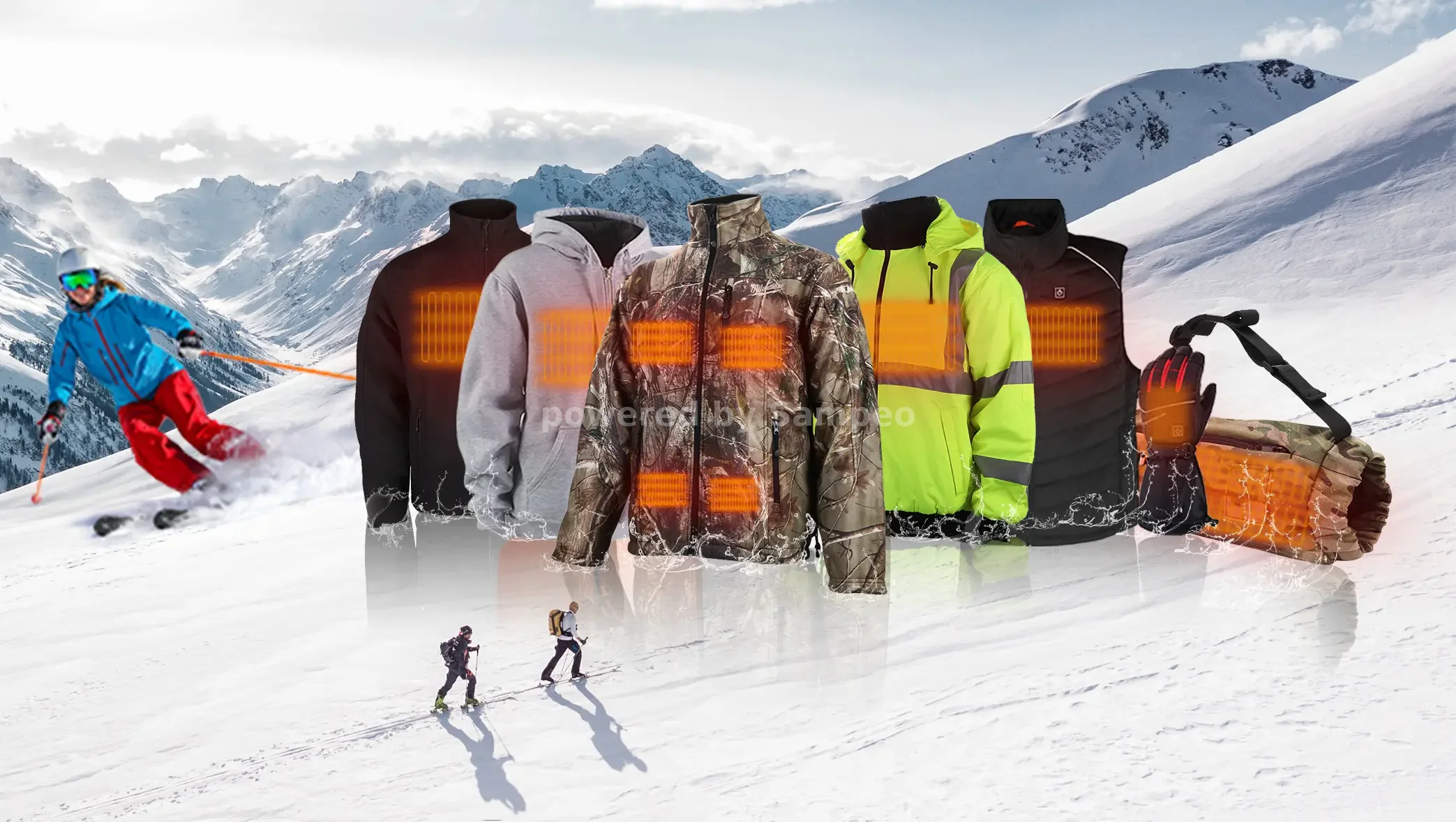
Not every brand needs the same level of after-sales depth. We offer three OEM service tier contracts:
| Tier | Spare Parts Coverage | RMA Turnaround | Repair Reporting | Price Premium |
|---|---|---|---|---|
| Standard | 12-month post-shipment | 10 working days | Quarterly PDF | +0% |
| Premium | 36-month post-shipment | 7 working days | Monthly dashboard | +3% on PO |
| Mission-critical | 60-month + on-shore safety stock | 5 working days | Real-time API | +6% on PO |
Most mid-sized brands land on Premium. Mission-critical is reserved for first-responder, military, and medical-warming SKUs where downtime is not an option. Standard works for fashion-grade heated apparel with planned 2-season lifecycle.
Heated Apparel After-Sales Supplier Wholesale Pricing for Spare Parts
For buyers who want to hold their own spare parts inventory — common among large retailers and distributors — we offer heated apparel after-sales supplier wholesale pricing on standalone spare parts orders. The pricing tiers below apply to standalone spare parts POs separate from the main production PO:
| Part Family | MOQ | Unit Price (50–499 pcs) | Unit Price (500–1999 pcs) | Unit Price (2000+ pcs) |
|---|---|---|---|---|
| Heating elements | 100 | $3.20–$4.50 | $2.85–$4.00 | $2.50–$3.60 |
| Battery packs | 50 | $11.50–$14.00 | $10.80–$13.20 | $10.20–$12.50 |
| Controllers | 500 | $4.50–$6.00 | $4.10–$5.50 | $3.80–$5.00 |
| Cable assemblies | 300 | $0.55–$1.20 | $0.45–$1.00 | $0.35–$0.85 |
| Replacement shells (size S/M/L/XL) | 50 | $18.00–$24.00 | $16.50–$22.00 | $15.00–$20.00 |
Wholesale spare parts orders ship within 15 working days from payment clearance. Drop-ship to the brand’s regional service center is available on orders above 1,000 units.
Heated Apparel RMA Supplier Vietnam: Logistics & Reverse Shipping
Reverse logistics is where most after-sales programs fail. As your heated apparel RMA supplier Vietnam partner, we operate two reverse-shipping lanes:
– Lane A — Air freight (DHL/FedEx): 3–5 day transit, used for high-value heated glove and heated vest RMAs under 5kg/unit.
– Lane B — Sea freight (LCL): 18–25 day transit, used for bulk returns and end-of-season warranty swap-outs above 50 units.
We provide DDP (Delivered Duty Paid) pricing on request for US and EU destinations, which simplifies the brand’s reverse logistics accounting. For Asian and Australian destinations, we typically ship FOB Ho Chi Minh and let the brand nominate the forwarder. Every RMA shipment includes a packing list with the original RMA tag, the new part code, and the bench test report.
Preventive Replacement Schedule & Lifecycle KPIs
For brands that want to move from reactive repair to proactive lifecycle management, we publish a preventive replacement schedule that front-loads maintenance before the customer experiences a failure:
| Component | Recommended Proactive Swap | Trigger Metric |
|---|---|---|
| Battery pack | Month 30 (cycles 250–300) | Capacity < 85% of rated |
| Controller | Month 36 (seals degrade) | Visual seal inspection |
| Heating elements | Month 48 (wire fatigue) | Resistance drift > 8% |
| Cable assemblies | Month 24 (connector wear) | Visual oxidation |
| Shell fabric | End of life | abrasion / pilling rating |
We track and report the following KPIs to OEM-ODM partners on a monthly dashboard:
– RMA intake volume (units / week)
– Field return rate by SKU (%)
– Mean turnaround time (days)
– First-pass repair success rate (%)
– Spare parts inventory coverage ratio
– Failure mode distribution (%)
– Cost-per-RMA (USD)
These KPIs feed into our quarterly QBR with each brand partner. Brands that hit < 1.0% field return rate qualify for our Premium tier rebate of 1.5% on the next PO.
Frequently Asked Questions (FAQ)
What is the minimum spare parts order for an OEM-ODM buyer?
The minimum spare parts MOQ is 50 pieces for battery packs, 100 pieces for heating elements, and 500 pieces for controllers. Mixed-component orders above $2,000 USD can be consolidated into a single wholesale PO at the [heated apparel guides](https://imissky.com/category/heated-clothes-guide/) pricing tier.
How long does imissky.com keep spare parts inventory after the last production batch?
36 months is the default commitment under Premium and Mission-Critical service tiers. Standard tier is 12 months. Buyers can extend the commitment by pre-purchasing a sealed safety stock at the original PO price.
Who pays for inbound RMA shipping to the factory?
Inbound RMA shipping is typically borne by the brand, unless the failure rate exceeds 2% on a given batch — in which case imissky.com credits the inbound freight cost. Outbound ship-back is DDP on request, or FOB Ho Chi Minh otherwise.
Can the brand send RMAs in bulk once a month, or must they be sent case-by-case?
Bulk monthly dispatch is the standard workflow for Premium and Mission-Critical tiers. We accept consolidated shipments up to 200 units per inbound. Each unit must still carry an individual RMA tag with the original defect photo and failure code from Tier 1 troubleshooting.
What is the most common failure in heated jackets?
Battery pack capacity degradation after 250+ charge cycles, accounting for ~34% of all RMAs in our database. Proactive battery swap at month 24–30 dramatically reduces this failure rate.
Do you offer white-label repair services for brands that don’t want to manage RMAs in-house?
Yes. Our White-Label Repair Service allows brands to ship RMAs to a nominated 3PL, who forwards to imissky.com under the brand’s packaging. The end customer never sees the factory name.
How is RMA data protected across brand customers?
Each brand’s RMA data is logically segregated in our tracking system, and failure-mode reports are anonymized before being aggregated into industry benchmarks. We do not share brand-specific failure data with other customers.
Can imissky.com develop a custom controller PCB for our brand?
Yes, our OEM-ODM service includes custom controller design (smart-app, knob, button) with a 12-week NPI cycle and a 500-piece MOQ. We own the Gerber files and BOM, but license them exclusively to your brand.
What testing standards do you apply to repaired garments?
Every repaired garment passes a 30-minute burn-in chamber test at 100% duty cycle, plus an IPX4 splash test for any controller or cable swap. Test reports are attached to the RMA closeout.
What is the average cost per RMA for the brand?
Average cost-per-RMA in 2025 was $8.40 USD, including spare parts, bench labor, and outbound shipping. Battery-only RMAs run $14.20 due to the cell cost. Repair-only RMAs (heating element swap) run $5.10.
Can the brand specify which spare parts brands they want us to stock?
Yes. For battery cells, we work with Samsung, LG, BAK, and EVE. For controllers, we can match the buyer’s preferred OEM (or develop custom). All alternates are validated against the original BOM before stocking.
How quickly can a new buyer set up an RMA service tier contract?
Standard tier can be activated in 5 working days. Premium and Mission-Critical tiers require a 2-week onboarding call to align failure codes, RMA tags, and reporting cadence.
What happens if a defect rate exceeds 3% on a single production batch?
We trigger an 8D corrective action report within 48 hours, conduct a joint root cause analysis with the brand, and offer either a 100% credit, a priority rework, or a free-of-charge next-batch upgrade — at the brand’s discretion.
Does imissky.com offer on-site technical training for the brand’s customer service team?
Yes, we offer a 2-day virtual or on-site training covering Tier 1 troubleshooting, fault code recognition, and customer communication scripts. Training is included in Premium and Mission-Critical service tiers.
Glossary
– RMA: Return Merchandise Authorization — the formal process by which a defective unit is returned to the factory for repair, replacement, or credit.
– BOM: Bill of Materials — the complete list of components, part codes, and specifications required to build a finished garment.
– OEM: Original Equipment Manufacturer — the factory that designs and produces the goods under the buyer’s brand.
– ODM: Original Design Manufacturer — the factory that both designs and produces the goods, often with its own proprietary platform.
– FMEA: Failure Mode and Effects Analysis — a structured methodology for identifying and prioritizing potential failure modes in a product.
– SKU: Stock Keeping Unit — a unique identifier for each distinct product variant (size, color, voltage combination).
– MOQ: Minimum Order Quantity — the smallest production or order batch a factory will accept.
– DDP: Delivered Duty Paid — an Incoterm where the seller bears all costs and risks of delivering goods to the buyer’s named destination, including duties.
– FOB: Free On Board — an Incoterm where the seller delivers goods onto the vessel at the named port; risk transfers at that point.
– NPI: New Product Introduction — the structured process of bringing a new product from design into mass production.
– IPX4: An ingress protection rating indicating resistance to water splashes from any direction.
– PCB: Printed Circuit Board — the controller board that regulates power delivery to the heating elements.
– DC5521: A common 5.5mm × 2.1mm barrel-connector standard used on heated apparel batteries.
– LCL: Less than Container Load — a sea freight option for shipments that do not fill a full container.
– QBR: Quarterly Business Review — a recurring meeting between the factory and the brand to review KPIs, quality trends, and roadmap.