
Heated Apparel Sustainability 2026: B2B Manufacturing Carbon & Compliance Guide
Heated Apparel Sustainability 2026: B2B Manufacturing Carbon & Compliance Guide
Why Sustainability Is the New B2B Mandate in Heated Apparel
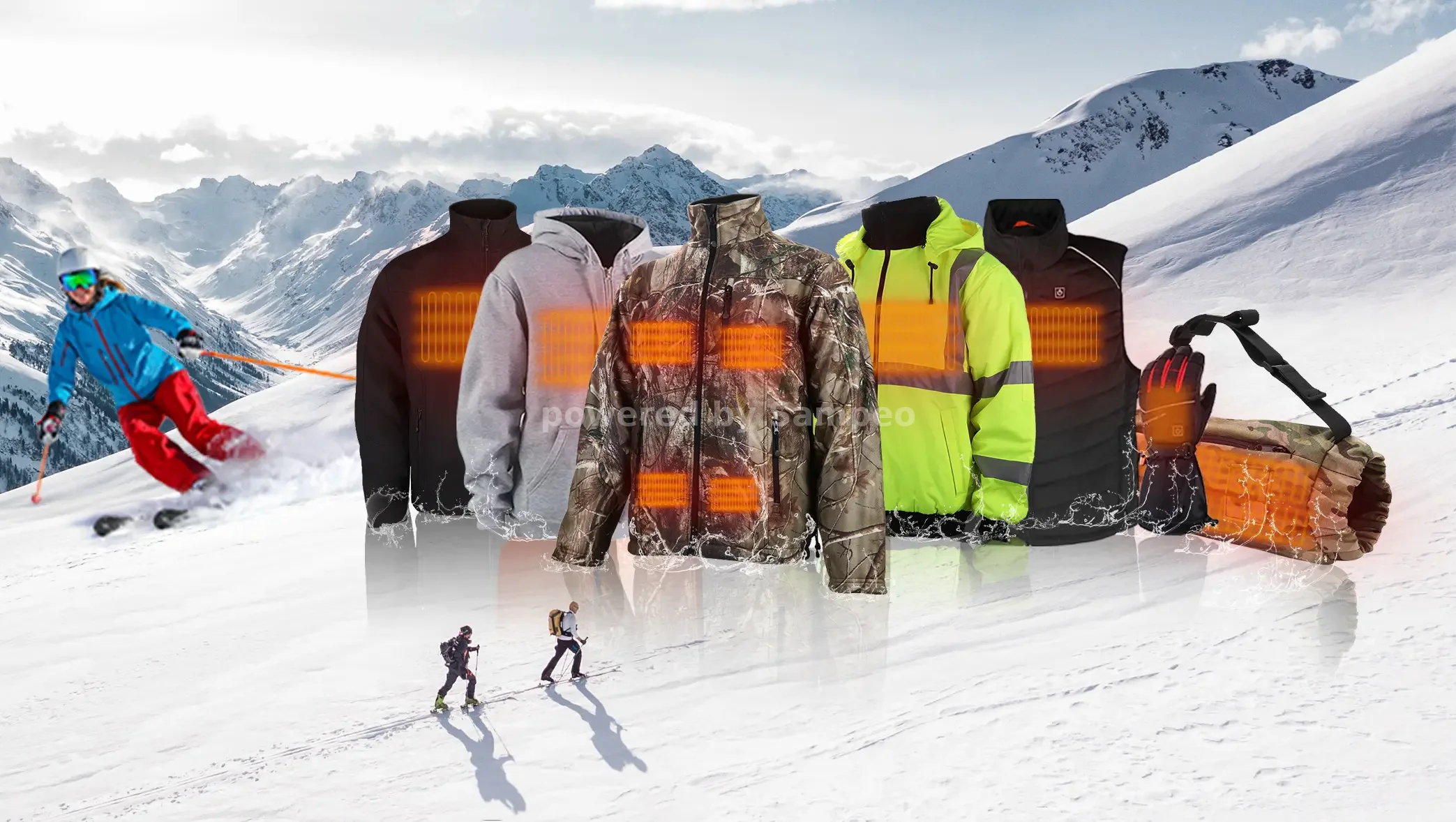
Heated apparel sustainability manufacturing is no longer a differentiator — it is a hard requirement in most 2026 wholesale buyer questionnaires. Global brands commit to science-based targets, EU CSRD, and U.S. SEC climate disclosures, so every heated apparel sustainability manufacturer must deliver verified ESG data, recycled-content proof, and Scope 1/2/3 carbon accounting. For OEM factories the question has shifted from “should we?” to “how fast can we certify and report?” This PILLAR breaks down the certifications, materials, energy levers, compliance rules, and documentation that define heated apparel sustainability manufacturing for B2B programs in 2026.
Looking for a sustainable heated apparel manufacturing partner? Our OEM program supports GOTS-certified fabrics, recycled polyester shells, and full REACH SVHC compliance — contact our B2B team for a factory sustainability audit.
Factory Sustainability Certification Landscape
The matrix below is the starting point for any heated apparel sustainability manufacturer auditing its credibility. Brands will not onboard a B2B supplier that cannot produce at least two of these documents, so treat certification as a sales tool. Map current certifications against the table and prioritize the gaps your target buyers require. Most 2026 wholesale programs expect OEKO-TEX as a baseline and either GRS or GOTS as the recycled or organic badge.
| Certification | Scope | Cost Band (USD/year) | Audit Cycle |
|---|---|---|---|
| GOTS | Organic fiber, full supply chain | $3K–$15K | Annual |
| Bluesign | Chemical management at mill | $8K–$30K | Annual + surveillance |
| OEKO-TEX Standard 100 | Finished article safety | $1K–$5K | Annual |
| GRS | Recycled content chain-of-custody | $2K–$7K | Annual |
| B-Corp | Whole-company ESG | $5K–$25K + fees | Every 3 years |
| Higg Index | Facility self-assessment (FEM) | $0–$3K | Annual |
Start with OEKO-TEX for entry-level buyer confidence, layer GRS onto recycled programs, and add Bluesign once your top three customers require chemical transparency.
Recycled Materials in Heated Apparel Manufacturing
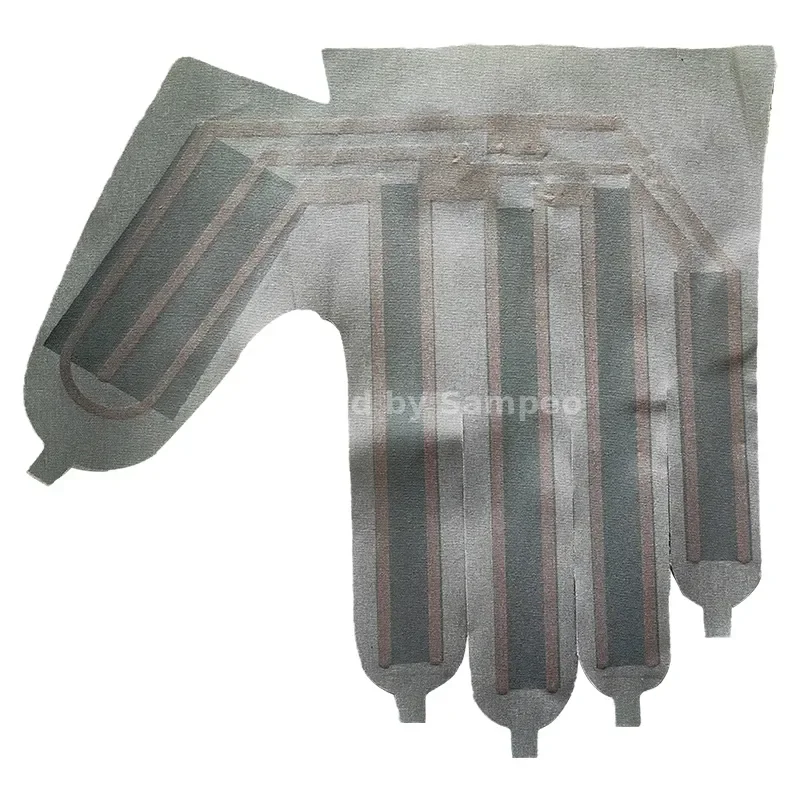
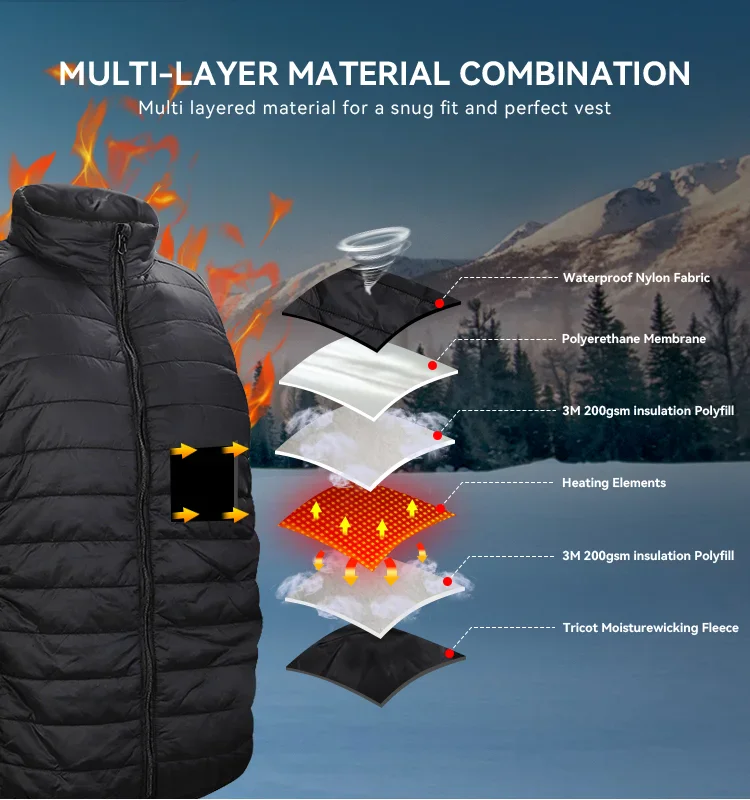
Recycled inputs are the most visible lever in heated apparel sustainability manufacturing because they sit on the sell sheet. The table below lists the five input families most relevant to OEM heated apparel production, the source stream, and where each performs inside the garment. Heat resistance, electrical insulation, and washing durability all matter — recycled is not automatically inferior, but must be qualified for the heated-element zone.
| Material | Source | Heated Apparel Use | Note |
|---|---|---|---|
| Recycled polyester (rPET) | Post-consumer bottles | Outer shell, lining | 30–100% rPET possible; check abrasion |
| Recycled nylon | Pre-consumer waste, fishing nets | High-wear panels | Solution-dyed variants save water |
| Organic cotton | GOTS-certified farms | Inner lining, trims | Limited heat zones; comfort layer only |
| Bio-based TPU | Castor or corn feedstocks | Heated-element laminate | Lower carbon than fossil TPU |
| Recycled copper | e-waste recovery | Heating wire | 99% recovery, low conductivity drop |
For wholesale B2B buyers, request the Global Recycled Standard (GRS) transaction certificate for every rPET shipment and a sample hand-feel against virgin control before locking the spec.
Energy Efficiency in Heated Garment Production
Energy is the second-largest controllable cost and carbon lever in a heated apparel sustainability factory, after materials. Cutting kilowatt-hours per garment cuts the per-unit intensity reported in Scope 1 and 2, which drives the buyer’s CSRD disclosure. Most OEM facilities shave 15–35% of grid energy with the four interventions below and payback inside 24 months at current tariffs.
| Intervention | Capex Band | Payback | Suitability |
|---|---|---|---|
| Rooftop solar PV | $200K–$1.5M | 3–6 years | Sunny climates, large rooftops |
| Heat recovery from press lines | $30K–$120K | 1–3 years | High-volume cut-and-sew |
| Closed-loop water recycling | $80K–$400K | 2–4 years | Dyeing, washing |
| LED UV curing for prints | $25K–$90K | 1–2 years | Reflective, branding prints |
In a heated apparel sustainability factory, solar PV usually pairs with heat recovery because soldering and lamination presses run nearly continuously — recovering exhaust heat pre-warms rinse water and cuts the boiler load.
Carbon Footprint Reporting & Scope 1/2/3
Every heated apparel sustainability manufacturer is now asked for a defensible carbon number. The GHG Protocol split below is the universal language buyers expect, and ISO 14064 plus SBTi commitment is rapidly becoming table stakes for enterprise B2B contracts in 2026. Scope 3 is the most labor-intensive but also the most differentiating inventory — it forces engagement with suppliers upstream of fabric and battery cells. For wholesale B2B contracts, publish a baseline year, target year, and reduction pathway aligned to SBTi 1.5°C. Buyers discount scope 3 claims built on spend averages alone — use supplier-specific data for the top 80% of emissions.
| Scope | Boundary | Heated Apparel Example | Data Source |
|---|---|---|---|
| Scope 1 | Direct emissions on-site | Boiler gas, factory vehicles | Fuel invoices |
| Scope 2 | Purchased energy | Grid electricity for sewing lines | Utility bills, market-based factor |
| Scope 3 | Upstream + downstream value chain | Fabric, battery cells, transport, end-of-life | Spend-based or supplier-specific LCA |
REACH SVHC and Chemical Compliance for Heated Apparel
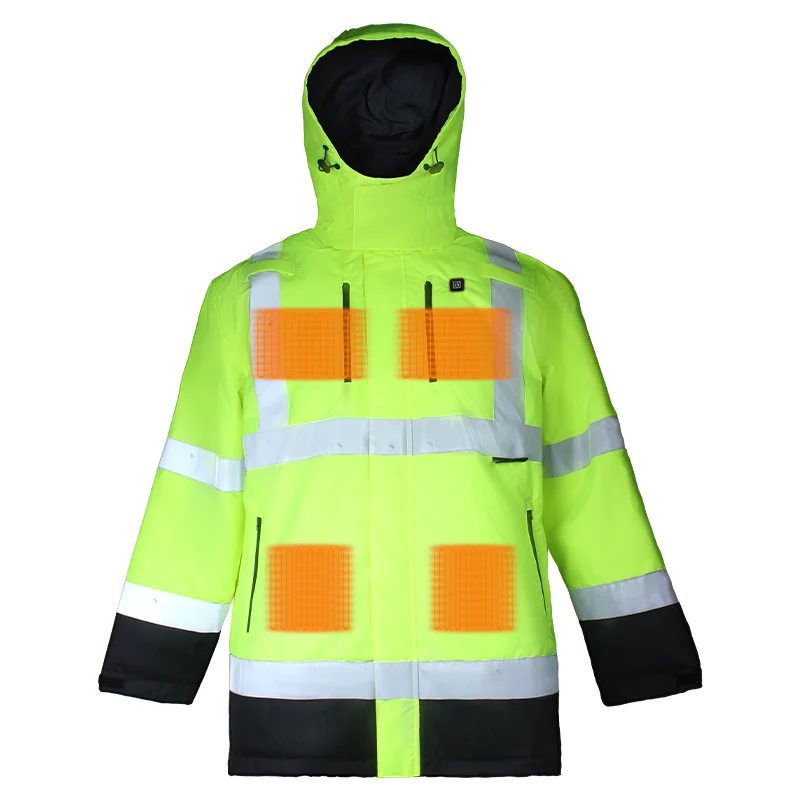
Heated apparel combines textiles, plastics, metals, and battery chemistry, so REACH SVHC compliance in heated apparel sustainability manufacturing spans more substance families than standard outerwear. The table below lists the substances a B2B buyer or third-party tester screens first. The SVHC list expands twice a year, so this is a working baseline, not an exhaustive registry. A heated apparel sustainability supplier without a current SDS library, RSL, and annual third-party SVHC screen will fail most enterprise B2B audits by default.
| Substance | SVHC Threshold | Test Method | Where It Appears |
|---|---|---|---|
| Lead and lead compounds | 0.1% by weight | EN 16711-1 (extractable) | Wiring solder, zippers, prints |
| Phthalates (DEHP, DBP, BBP) | 0.1% | EN 71-3 or GC-MS | PVC coatings, soft-touch trims |
| PFAS (C8/C9 chain) | 25 ppb total | EN 17681 | DWR treatments on shells |
| APEO / NP/OPEO | 100 mg/kg | ISO 18254 | Detergent residues from washing |
| Formaldehyde | 75 ppm (direct skin) | EN ISO 14184 | Cotton-rich linings, binders |
ESG Documentation Buyers Now Require
The ESG packet below is what 60–80% of enterprise buyers request before issuing a heated apparel sustainability wholesale PO in 2026. Some documents you control (carbon inventory, facility Higg FEM); others require supplier outreach (upstream Tier 2). Build templates now and refresh on a fixed quarterly cadence — ad-hoc collection slows every new kickoff.
Need wholesale pricing on sustainable heated apparel with full ESG documentation? Our supplier network delivers carbon footprint reports and Higg Index self-assessments with every bulk order.
| Document | What It Covers | Typical Supplier Response Time | Format |
|---|---|---|---|
| Carbon inventory (Scope 1/2/3) | GHG Protocol-aligned tCO2e | 2–4 weeks | Excel + report |
| Higg FEM self-assessment | Facility environmental | 1–2 weeks | Online portal |
| Higg BRM | Labor and human rights | 1–2 weeks | Online portal |
| Chemical inventory (ZDHC) | Facility MRSL + RSL | 2–3 weeks | MRSL platform export |
| Social audit (SMETA, BSCI) | Working conditions | 4–8 weeks | Audit firm PDF |
| Recycled-content proof | GRS / RCS transaction certs | 1 week per shipment | Issuing body cert |
| Conflict-mineral declaration | Cobalt, tin, tungsten, gold | 1 week | CMRT / RMI template |
| Modern slavery statement | UK MSA compliance | 2–4 weeks | Signed PDF |
Sustainable Battery Systems & End-of-Life
Lithium-ion cells are the largest single carbon hotspot in a heated garment, so heated apparel sustainability manufacturing must include a credible battery end-of-life plan. The chemistry choice below sets both energy density and recyclability economics — iron-phosphate routes give up some runtime for safer end-of-life, often the right B2B trade for European and California distribution.
| Chemistry | Energy Density (Wh/kg) | End-of-Life Route | Sustainability Note |
|---|---|---|---|
| Li-ion (NMC) | 200–260 | Hydrometallurgical recovery | Mainstream, established recycling |
| LiFePO4 (LFP) | 90–160 | Pyrometallurgical + recovery | Lower cobalt, longer cycle life |
| NiMH legacy | 60–120 | Established recycling streams | Phasing out |
| Solid-state (emerging) | 300–400 | Pilot recyclers only | Hype cycle; verify claims |
| Replaceable cell design | Varies | User-swappable, returnable | Best closed-loop option |
Pair replaceable cells with a mail-back take-back program so the heated apparel sustainability wholesale brand can publish a true closed-loop story.
Cost Implications: Sustainable Manufacturing vs Conventional
Sustainable manufacturing adds a 6–18% cost premium depending on program depth, and the heated apparel sustainability OEM conversation must address price head-on. The premium is real but predictable, and the table below helps build a defensible quote with the recovery levers attached. A well-built heated apparel sustainability B2B quote breaks the premium out line by line so buyers can negotiate transparently.
| Cost Area | Premium Band | ROI Mechanism | Break-Even Order Volume |
|---|---|---|---|
| Recycled materials (rPET) | +5% to +12% | Brand price premium, marketing asset | 5K units |
| Bluesign-certified dyes | +3% to +8% | Reduced wash-off, fewer re-dye batches | 10K units |
| Rooftop solar | +1% (amortized) | Utility savings, scope 2 reduction | 24 months |
| Certification fees | +1% to +3% | Buyer onboarding speed, audit savings | 1K units |
| Traceability platform | +0.5% to +2% | Recall speed, reduced sampling cost | Continuous |
Supplier Selection Checklist for Sustainability
Use this 12-row checklist when qualifying a new heated apparel sustainability supplier or auditing a current partner in 2026. Score each line on a 0–5 scale; total above 45 is enterprise-ready, 30–45 needs work, below 30 is non-qualifying.
| # | Criterion | Question to Ask | Evidence Type |
|---|---|---|---|
| 1 | GOTS or GRS in active use | “Which shipments last quarter carried a TC?” | Transaction certificates |
| 2 | OEKO-TEX Standard 100 | “Current certificate number and expiry?” | Live cert PDF |
| 3 | Higg FEM latest score | “Most recent FEM year and verified status?” | Higg portal screenshot |
| 4 | REACH SVHC screen | “Last full SVHC screen date and lab?” | Lab report PDF |
| 5 | ZDHC MRSL conformity | “Are you a ZDHC InCheck signatory?” | InCheck report |
| 6 | Scope 1+2 disclosure | “Baseline year and tCO2e?” | Signed inventory |
| 7 | Scope 3 engagement | “% of suppliers with PCFs?” | Supplier list |
| 8 | SBTi commitment | “Are targets validated or committed?” | SBTi letter |
| 9 | Renewable electricity | “% renewable power at this facility?” | Utility contract |
| 10 | Social audit currency | “Most recent SMETA or BSCI?” | Audit report |
| 11 | Battery end-of-life plan | “Take-back or recycler partnership?” | Recycler MoU |
| 12 | Modern slavery statement | “Signed annually?” | Public PDF |
Broader Heated Apparel Sustainability Conversation
Beyond compliance, sustainability in heated apparel is reshaping how OEM buyers, wholesale brands, factories, and end consumers talk about the category. Five intersecting buyer conversations now converge on a heated apparel sustainability supplier in 2026, and recommended sequencing helps a factory lead each from a position of evidence.
First, procurement. Enterprise buyers now grade vendors on the full ESG bundle before pricing. A heated apparel sustainability wholesale program that ships carbon, chemical, social, and recycled-content data in a single ZIP cuts procurement cycle time 30–50%.
Second, the brand sustainability lead, measured on SBTi trajectory and recycled-content claims. A heated apparel sustainability factory that ships GRS-certified rPET with transaction certificates removes the brand’s biggest reporting headache.
Third, product and design. They accept recycled content only when spec proves parity. A heated apparel sustainability manufacturer that maintains side-by-side virgin and recycled reference samples — and publishes wash-cycle and abrasion data — earns the designer as an internal sponsor.
Fourth, legal and compliance, owning REACH SVHC, UK MSA, EU CSRD, and SEC climate language. A heated apparel sustainability OEM program that pre-translates those obligations into a one-page matrix converts compliance into a sales asset.
Fifth, the end consumer, reached via the brand’s sustainability landing page and product passport QR. A heated apparel sustainability 2026 strategy with a digital product passport — fiber origin, carbon per unit, battery chemistry, end-of-life — turns a wholesale PO into a multi-year data relationship. Manufacturers that own the data layer upstream become the default vendor the next time the brand sources.
The recommended sequence: collect certificates, build the matrix, run sample comparison, ship verified, publish the passport. Skipping a step forces a re-do within 12 months as buyer programs escalate. Pairing this roadmap with the vendor scorecard gives the heated apparel sustainability supplier a single dashboard tying every conversation back to a verifiable input.
| Step | Owner | Timeline | Output |
|---|---|---|---|
| 1. Audit current certifications | Sustainability lead | Month 1 | Gap report |
| 2. Build supplier matrix | Compliance | Months 2–3 | One-pager |
| 3. Sample + spec parity | Product team | Months 3–4 | Side-by-side data |
| 4. First verified shipment | Operations | Month 5 | TC + carbon |
| 5. Product passport live | Digital / IT | Month 6 | Public passport |
Quick Reference Glossary
| Term | Definition |
|---|---|
| GOTS | Global Organic Textile Standard — organic fiber certification covering the entire supply chain. |
| Bluesign | Chemical management certification for textile mills and material suppliers. |
| OEKO-TEX | Independent testing system for harmful substances at every textile processing stage. |
| GRS | Global Recycled Standard — recycled content and chain-of-custody certification. |
| REACH SVHC | EU regulation listing Substances of Very High Concern above 0.1% w/w. |
| Higg Index | Industry tool suite for facility (FEM) and brand (BRM) self-assessment. |
| Scope 1 / 2 / 3 | GHG Protocol reporting categories for direct, energy, and value-chain emissions. |
| SBTi | Science Based Targets initiative — validates corporate 1.5°C pathways. |
| CSRD | EU Corporate Sustainability Reporting Directive, effective for large enterprises 2024–2028. |
| LCA | Life Cycle Assessment — cradle-to-grave impact analysis of a product system. |
| B-Corp | Certification for companies meeting verified social and environmental performance. |
| ZDHC MRSL | Manufacturing Restricted Substances List used across the apparel supply chain. |
heated apparel sustainability manufacturing: Quick Reference Glossary
A quick reference of the key terms used in this guide: heated apparel sustainability manufacturing, plus the 13 related concepts — GOTS certification, Bluesign, GRS recycled standard, REACH SVHC, RoHS compliance, ESG scorecard, carbon footprint, Higg Index, LCA life cycle, supply chain traceability, greenwashing detection, sustainable materials, and ethical sourcing — that B2B buyers typically encounter when sourcing private label programs.
Each term above represents a distinct buying decision: heated apparel sustainability manufacturing is the umbrella concept, while each related keyword describes a specific factory capability, sourcing model, or product attribute to evaluate during your vendor selection.
FAQ
1. What is the most important sustainability certification for heated apparel B2B buyers? OEKO-TEX Standard 100 is the universal baseline — most buyers refuse a heated apparel sustainability supplier without it. Add GRS the moment recycled content appears on a care label, and add Bluesign when chemical transparency enters the conversation. The three together cover most 2026 RFPs.
2. How does recycled polyester perform in heated apparel shells? Modern rPET performs within 5–8% of virgin polyester on tensile and abrasion when melt-extruded correctly. For heated jackets the element zone tolerates rPET shells; for gloves and boots with heavy flex, request a Tenax or solution-dyed variant for durability.
3. What is GOTS and does it apply to heated apparel? GOTS covers organic fiber content (≥70%) plus environmental and social criteria across the supply chain. It applies cleanly to a heated apparel sustainability cotton-rich inner liner; for technical outer shells it is less common because most organic cotton cannot meet DWR specs alone.
4. How is factory carbon footprint measured in heated apparel sustainability manufacturing? Carbon footprint is measured as Scope 1 (boilers, vehicles), Scope 2 (purchased electricity), and Scope 3 (upstream fabric, battery cells, logistics, downstream use). The unit is kg CO2e per garment, using ISO 14067 or GHG Protocol alignment.
5. What is REACH SVHC compliance for heated apparel? REACH SVHC requires disclosure of any candidate-list substance above 0.1% by weight. Heated apparel trips several families — phthalates in PVC, lead in zippers and solder, PFAS in DWR finishes. A heated apparel sustainability wholesale program maintains an RSL and an annual third-party screen.
6. Can Bluesign-certified factories produce heated apparel? Yes — Bluesign certifies chemical management at the mill, not the end product. Many 2026 factories dye and finish Bluesign-certified fabric, then handle heating-element lamination downstream. Request the certificate at the fabric tier.
7. What ESG documents do B2B buyers require from apparel suppliers? Buyers expect a Higg FEM, ZDHC InCheck, SMETA or BSCI audit, Scope 1+2 baseline, and active GOTS/GRS/Bluesign certificates. The packet should be deliverable within two weeks to a heated apparel sustainability manufacturer on a B2B program.
8. Is sustainable heated apparel more expensive? Yes — recycled materials, certified dyes, and audits add a 6–18% premium on a typical OEM line. Partial recovery comes from brand price uplift, marketing claims, and reduced re-work. A well-built heated apparel sustainability wholesale quote breaks the premium out line by line.
9. How do you recycle heated apparel batteries? Lithium-ion and LiFePO4 cells are recovered through hydrometallurgical or pyrometallurgical processing at certified e-waste recyclers. A 2026 OEM program with take-back returns used packs via mailer or retail drop-off, then issues a recycling certificate per batch.
10. What is the Higg Index and is it mandatory? The Higg Index is a suite of self-assessment tools (FEM, BRM, PM) by Cascale. It is mandatory for any heated apparel sustainability supplier selling into most large brand members, and increasingly required by mid-market brands.
11. Which renewable energy sources work best in garment factories? Rooftop solar PV is highest-ROI for most sewing and lamination halls. Heat recovery complements solar by capturing press exhaust. Most heated apparel sustainability factories in 2026 pair solar plus storage with a renewable contract for residual load.
12. How do you verify recycled material claims in B2B heated apparel? A heated apparel sustainability manufacturer requires the GRS Transaction Certificate issued per shipment by the cert body, plus a chain-of-custody audit tracing feedstock back to the recycler. RFID or batch coding on finished cartons closes the loop.
Conclusion
Heated apparel sustainability manufacturing in 2026 rewards the factory that treats ESG data as a product, not a paperwork burden. OEM, wholesale, and brand buyers have moved past good intentions into auditable requirements — and the heated apparel sustainability supplier that delivers verified carbon, recycled-content, chemical, and end-of-life data on demand will win the next three years of B2B wholesale programs. Pair the certification stack above with a credible battery take-back scheme, and your factory positions itself as the default vendor — not the cheapest vendor — on a heated apparel sustainability B2B shortlist.
Planning a 2026 sustainable apparel line with GRS-certified materials? Our factory team provides full traceability from recycled feedstock to finished garment — request a sample pack today.
For implementation detail on specific product lines, see our Heated Apparel Guides and the broader Heated Clothes Guide for buyer-facing positioning tips and spec sheets.